A COVID-19 screening tool that listens to a short cough recording and predicts whether it's positive. Our team placed 7th in the Microsoft Azure AI Challenge.
The problem
When COVID-19 first spread, getting tested was slow and awkward. It meant a clinic visit, trained staff and lab supplies, which is a lot to ask of someone who simply wants to know whether to stay home. Most people, though, carry a phone that can record a cough. That raised a plain question: could a model hear a difference that a person can't?
It's a tough thing to ask of a model. A cough from someone with COVID-19 doesn't sound obviously different to the human ear. Coughs also vary a great deal from person to person, with age, with other illnesses, and with how someone happens to cough on the day. Phones and rooms add their own noise, and crowdsourced recordings come in uneven quality. So we were never aiming for a diagnosis. The aim was a cheap first screen that could point people towards a proper test.
The technique
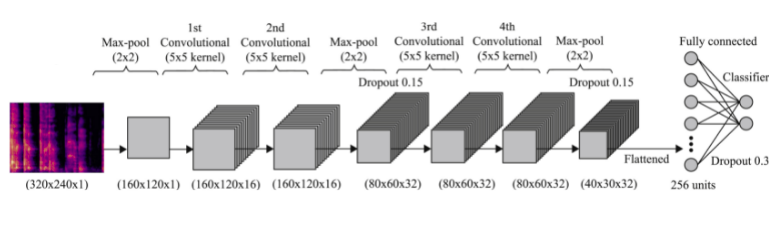
We trained a convolutional neural network on 10-second cough recordings. Raw audio isn't a friendly input, so each recording is first turned into features that describe how its sound changes over time. MFCCs (Mel-frequency cepstral coefficients) summarise the sound roughly the way human hearing does, and Chroma features capture its tonal content. Together they give the network a compact picture of each cough.
We trained and evaluated the model on Coswara, a large crowdsourced collection of breathing, cough and speech recordings gathered during the pandemic by the Indian Institute of Science.
From model to something you can use
A model on its own isn't much use to anyone, so it sits behind a small web app. You upload a cough.wav file and it returns a prediction. The code is in the project repository. Its README reports about 85 percent accuracy after six epochs of training, and the model was trained on Google Colab.
Recognition
The project placed 7th in the Microsoft Azure AI Challenge.
More work
Back to Works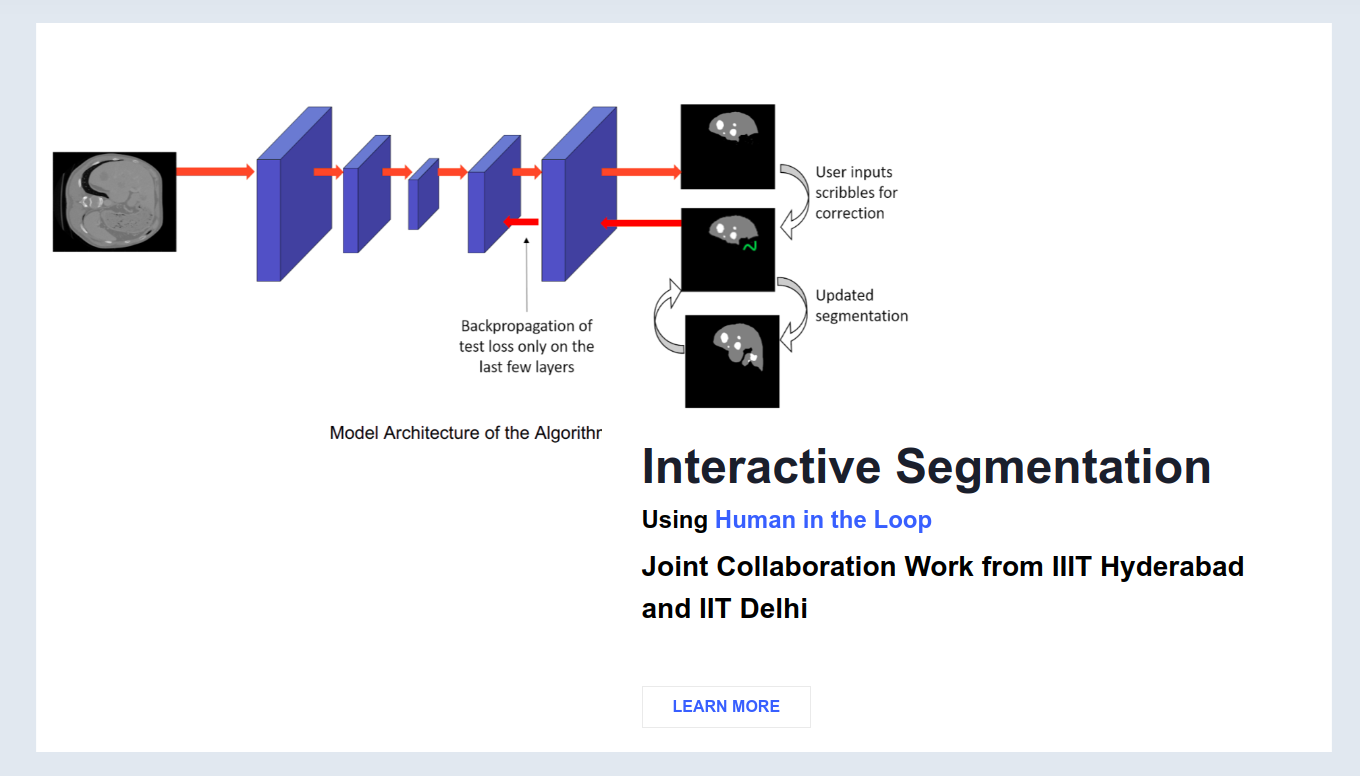
Interactive Machine Learning
Outlining an organ on a CT or MRI scan means tracing it on a hundred slices or more, one at a time. We built a way to make that far less painful.
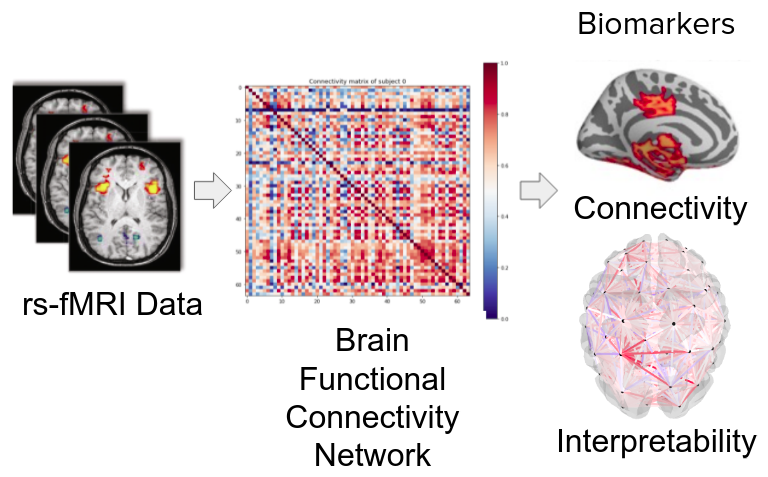
Ayu: Characterization of Healthy Ageing from Neuroimaging
Ayu estimates a person's age from a resting-state fMRI scan, then uses the model's attention to show which brain connections change as we get older.